
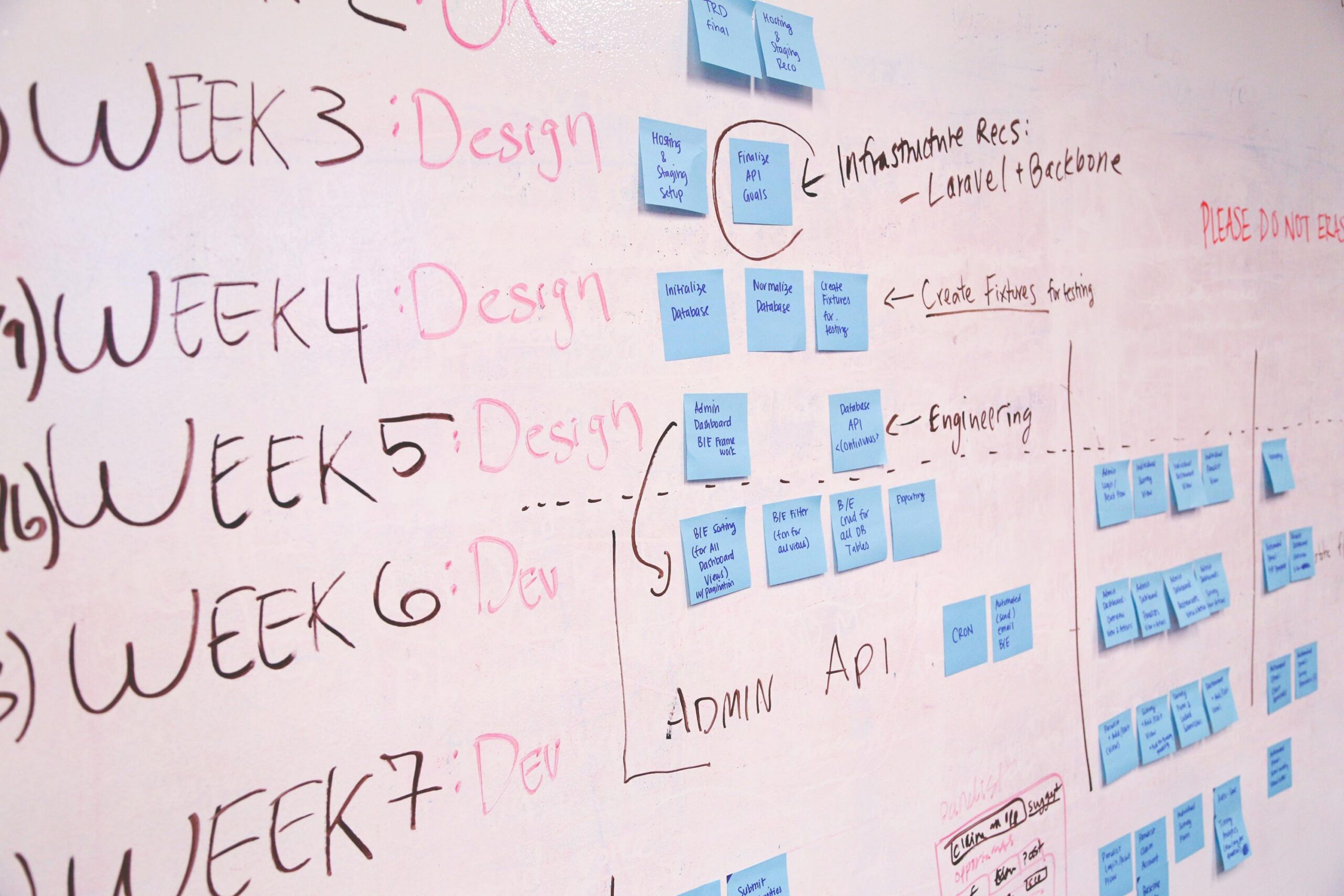
What defines a project: scope, objectives, and constraints
The role of a project manager
Overview of project life cycle (initiation, planning, execution, monitoring, closure)
Waterfall vs. Agile vs. Hybrid approaches
Defining project objectives, scope, and deliverables
Work Breakdown Structure (WBS) and Gantt charts
Budgeting and resource allocation basics
Identifying project risks and developing mitigation plans
Leading project teams and assigning roles
Tools for collaboration and communication (e.g., MS Project, Trello, Asana, Jira)
Conflict resolution and decision-making
Managing vendors and external stakeholders
Tracking progress against scope, budget, and timeline
Key performance indicators (KPIs) for projects
Change management: handling scope creep
Reporting to stakeholders with clarity
Deliverable handover and client acceptance
Conducting post-mortem analysis
Documenting lessons learned
Celebrating wins and recognizing contributions